
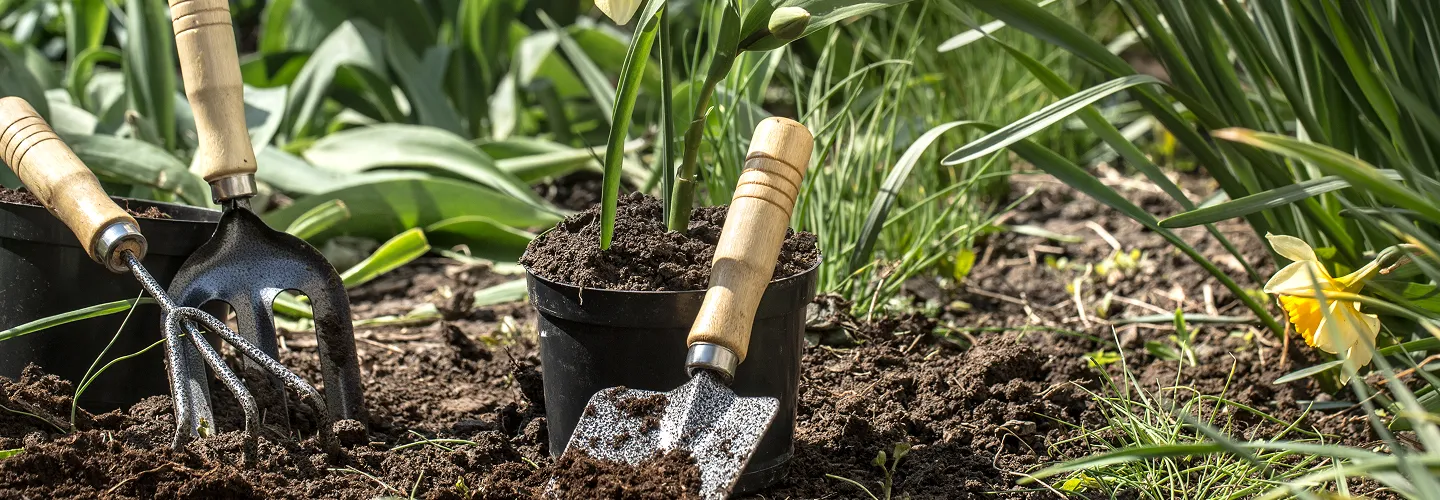
Richmond Flower Planting Services
Choose our flower planting services for vibrant, healthy blooms that enhance your curb appeal and bring lasting beauty to your outdoor spaces—our experienced team ensures every garden thrives with personalized care and attention.
Get a Free QuoteOur Richmond Landscaping & Yard Care Services
When to Schedule Flower Planting in Richmond, Rhode Island – Seasonal Guide
In Richmond, Rhode Island, timing your flower planting is essential for vibrant, long-lasting blooms. The region’s climate, with its cool springs and humid summers, means the best planting windows are typically late April through early June and again in early fall. Local neighborhoods like Carolina and Kenyon often experience late spring frosts, so it’s wise to wait until after the average last frost date—usually mid-May—before planting tender annuals. Soil conditions in areas near the Wood River or Arcadia Management Area can vary from sandy to loamy, impacting both drainage and nutrient retention.
When planning your flower beds, consider Richmond’s unique environmental factors such as periodic drought risk in late summer, the shade provided by mature oaks and maples, and the town’s rolling terrain. Homeowners near Beaver River or close to the Sudbury Conservation Land should also be mindful of local soil moisture and municipal guidelines. By aligning your planting schedule with these local characteristics, you’ll ensure healthier, more resilient gardens.
Local Factors to Consider for Flower Planting in Richmond
- Proximity to mature trees and resulting shade coverage
- Soil type (sandy, loamy, or clay) and drainage
- Average last frost date (mid-May)
- Summer drought risk and irrigation availability
- Terrain slope and water runoff patterns
- Precipitation trends and humidity levels
- Municipal restrictions or conservation area guidelines
Benefits of Flower Planting in Richmond
Expert Local Knowledge
Customized Landscape Designs
Seasonal Plant Selection
Eco-Friendly Practices
Reliable Maintenance Services
Enhanced Curb Appeal

Richmond Flower Planting Types

Annual Flower Beds
-
Perennial Gardens
-
Native Wildflower Plantings
-
Seasonal Bulb Displays
-
Pollinator-Friendly Gardens
-
Shade Garden Plantings
-
Container Flower Arrangements
Our Flower Planting Process
Site Evaluation
Soil Preparation
Plant Selection
Careful Planting
Watering and Mulching
Why Choose Richmond Landscape Services
-
Richmond Homeowners Trust Us
-
Expert Lawn Maintenance
-
Reliable Seasonal Care
-
Competitive Pricing
-
Professional Team
-
Satisfaction Guarantee
-
Personalized Service
Soil Series and Drainage Considerations for Flower Planting in Richmond
Richmond’s landscape is shaped by Inceptisols and Udults, with glacial till and coastal sandy soils predominating. These soils are moderately acidic (pH 5.5–6.5) and often poorly drained, with seasonal water tables at 12–18 inches. Before planting, it is recommended to conduct a soil test through the University of Rhode Island Cooperative Extension (typical cost: $15–25) to determine pH and nutrient needs. For optimal flower bed establishment, incorporate 2–3 inches of compost tilled to a 6-inch depth and apply lime if pH is below 6.0. Drainage improvements, such as raised beds or French drains, are advised in low-lying areas. Research local soil series using the USDA Web Soil Survey for site-specific recommendations.
Richmond RI Department of Public Works
5 Richmond Townhouse Road, Richmond, RI 02898
Phone: (401) 539-8474
Official Website: Richmond RI Department of Public Works
Seasonal Timing and Weather Guidance for Flower Planting in Richmond
Richmond is located in USDA Hardiness Zone 6b, with average last frost dates in late April and first frost in late October. The optimal window for planting hardy annuals and perennials is April 15–May 30, when soil temperatures reach 50–65°F. Fall planting of bulbs and select perennials is best from September 15–October 15. Avoid planting during June–August due to heat stress and potential drought. Monitor local forecasts through the National Weather Service Boston/Norton Office for frost advisories and rainfall patterns. Key timing guidelines include:
- Spring planting: April 15–May 30 (soil temp 50–65°F)
- Fall planting: September 15–October 15
- Avoid: June–August (heat/drought risk)
- Mulch after planting to retain soil moisture
Native and Recommended Flower Species for Richmond’s Microclimate
Selecting species adapted to Richmond’s climate and soils enhances success and supports local biodiversity. Recommended native and regionally adapted flowers include:
- Full sun: Black-eyed Susan (Rudbeckia hirta), purple coneflower (Echinacea purpurea), daylily (Hemerocallis spp.)
- Partial shade: Coral bells (Heuchera americana), astilbe (Astilbe spp.), hosta (Hosta spp.)
- Deer resistant: Lavender (Lavandula angustifolia), Russian sage (Perovskia atriplicifolia), salvia (Salvia nemorosa)
- Wet sites: Cardinal flower (Lobelia cardinalis), Joe Pye weed (Eutrochium purpureum)
- Native options: Wild bergamot (Monarda fistulosa), New England aster (Symphyotrichum novae-angliae) Spacing should be 12–24 inches depending on species. For further guidance, consult the University of Rhode Island Cooperative Extension for plant selection and pest management resources.
Environmental Compliance and Wetland Protections in Richmond Flower Planting
Flower planting near Richmond’s wetlands, streams, and conservation areas is regulated to protect sensitive habitats. A 25-foot no-disturbance buffer is required from delineated wetlands, and no fertilizer or pesticide application is permitted within 50 feet of water bodies, in accordance with the Rhode Island Environmental Rights Act. Richmond’s MS4 stormwater permit prohibits soil, mulch, or plant debris from entering storm drains, as mandated by the Clean Water Act. Key compliance steps include:
- Maintain 25-foot buffer from wetlands
- No fertilizer/pesticide within 50 feet of water
- Prevent runoff into storm drains
- Use biodegradable mulch and erosion controls
Richmond RI Conservation Commission
5 Richmond Townhouse Road, Richmond, RI 02898
Phone: (401) 539-9000
Official Website: Richmond RI Conservation Commission
Rhode Island Department of Environmental Management
235 Promenade Street, Providence, RI 02908
Phone: (401) 222-4700
Official Website: Rhode Island Department of Environmental Management
Municipal Coordination and Permit Requirements for Flower Planting in Richmond
Certain flower planting activities in Richmond, such as installation of raised beds, retaining walls, or work within public rights-of-way, may require permits or review. The Richmond RI Building & Zoning Department oversees permit applications, with typical fees ranging from $25–$75 and review times of 5–10 business days. Equipment operation for landscaping is permitted:
- Monday–Friday: 7:00 AM–7:00 PM
- Saturday: 8:00 AM–6:00 PM
- Sunday and holidays: Prohibited All plant debris must be disposed of at the town transfer station or through approved yard waste programs. Use biodegradable bags or 32-gallon containers; plastic bags and branches over 4 inches in diameter are prohibited. For zoning or setback questions, contact the Building & Zoning Department.
Richmond RI Building & Zoning Department
5 Richmond Townhouse Road, Richmond, RI 02898
Phone: (401) 539-9000
Official Website: Richmond RI Building & Zoning Department
What Neighborhoods Do We Serve Throughout Richmond, RI?
- Carolina: Features a mix of historic homes and newer developments, with moderately drained soils and proximity to the Pawcatuck River, requiring careful buffer management for flower beds.
- Wyoming: Characterized by compacted soils and higher-density housing, necessitating raised beds and soil amendment for successful planting.
- Kenyon: Located near wetlands and conservation areas, this neighborhood requires strict adherence to buffer zones and native plant selection to protect sensitive habitats.
- Shannock: Known for its older properties and mature tree canopy, which creates partial shade and leaf litter challenges for flower planting.
- Usquepaug: Rural area with larger lots, sandy soils, and occasional drainage issues, making soil testing and compost incorporation essential.
- Richmond Village: Central area with mixed-use zoning, requiring coordination with municipal departments for any planting near public spaces or rights-of-way.
- Beaver River: Features floodplain soils and periodic high water tables, demanding careful species selection and raised bed construction to prevent root rot.