
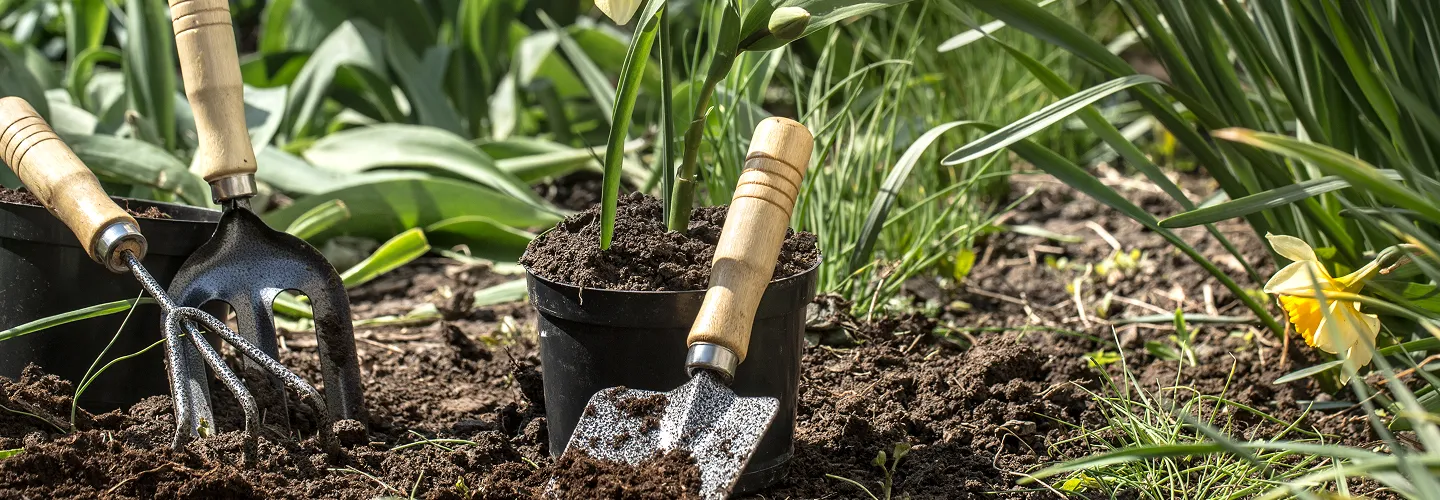
Richmond Plant Removal Services
Choose our plant removal experts for safe, thorough, and eco-friendly service that restores your landscape’s beauty and health—trusted by Richmond homeowners for fast results and peace of mind.
Get a Free QuoteOur Richmond Landscaping & Yard Care Services
When to Schedule Plant Removal in Richmond, Rhode Island – Seasonal Guide
In Richmond, Rhode Island, the best time for plant removal is typically late fall through early spring, when most vegetation is dormant and the risk of regrowth is minimized. The region’s climate, with its cold winters and humid summers, means that scheduling removal before the ground freezes—usually after the first frost in late October but before heavy snowfall—can make the process more efficient and less disruptive to your landscape. Areas near Beaver River and the shaded lots around Carolina Management Area often experience higher soil moisture and denser undergrowth, which can affect both timing and technique.
Local environmental factors such as the risk of late spring frosts, summer drought periods, and the prevalence of clay-heavy soils in neighborhoods like Shannock and Wyoming should be considered. Humidity and shade coverage, especially in wooded properties, can also impact the ease of removal and the likelihood of invasive regrowth. For more information on local environmental guidelines, visit the Sudbury town resources.
Local Factors to Consider for Plant Removal in Richmond
- Tree and shrub density, especially in wooded neighborhoods
- Terrain slope and accessibility (e.g., rocky outcrops near Arcadia Road)
- Seasonal precipitation and soil saturation
- Municipal restrictions or permit requirements
- Proximity to protected wetlands or conservation areas
- Risk of frost or drought impacting root removal
Benefits of Plant Removal in Richmond

Expert Plant Removal Services
Safe and Efficient Techniques
Improved Landscape Health
Eco-Friendly Disposal Methods
Enhanced Curb Appeal
Customized Landscaping Solutions
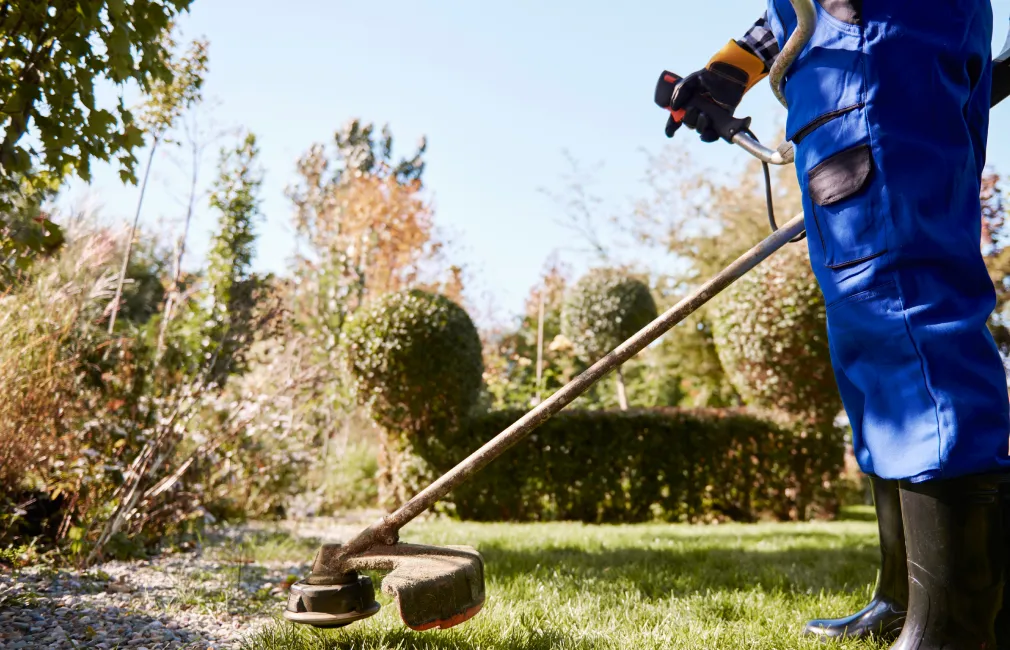
Richmond Plant Removal Types

Tree Removal
-
Shrub Removal
-
Stump Grinding
-
Invasive Species Removal
-
Hedge Removal
-
Root System Extraction
-
Overgrown Vegetation Clearing
Our Plant Removal Process
Site Evaluation
Preparation and Safety Measures
Plant Extraction
Debris Removal
Site Restoration
Why Choose Richmond Landscape Services

-
Richmond Homeowners Trust Us
-
Expert Lawn Maintenance
-
Reliable Seasonal Care
-
Competitive Pricing
-
Professional Team
-
Satisfaction Guarantee
-
Personalized Service
Richmond’s Plant Removal Permitting and Municipal Coordination
Plant removal in Richmond is governed by specific municipal ordinances and requires coordination with local departments to ensure compliance. Permits are mandatory for removing trees over 6 inches in diameter at breast height (DBH) or any vegetation within 50 feet of wetlands or protected areas. The application fee is typically $50, with a review period of 10 business days. Equipment operation is restricted to:
- Monday-Friday: 7:00 AM - 7:00 PM
- Saturday: 8:00 AM - 6:00 PM
- Sunday and holidays: Prohibited
All plant debris must be disposed of at the town’s transfer station, and use of biodegradable bags or 32-gallon containers is required. For guidance on permit applications and disposal procedures, residents should consult the following:
Richmond RI Department of Public Works
60 Richmond Townhouse Road, Richmond, RI 02898
Phone: (401) 539-8474
Official Website: Richmond RI Department of Public Works
Soil Series and Site Conditions Impacting Plant Removal in Richmond
Richmond’s landscape is characterized by Inceptisols and Udults, with prevalent glacial till and coastal sandy soils. These soils are moderately acidic (pH 5.5-6.5) and often poorly drained, especially in low-lying areas. Before plant removal, it is essential to assess soil compaction and drainage, as heavy equipment can exacerbate erosion or runoff. Soil testing is recommended through the University of Rhode Island Cooperative Extension for accurate pH and nutrient analysis. Key site considerations include:
- Poor drainage in glacial till zones (seasonal water table at 12-18 inches)
- Sandy soils in southern Richmond with rapid drainage
- Compaction risk near construction or high-traffic areas
For detailed soil mapping, consult the USDA Web Soil Survey. Proper site assessment ensures compliance with local erosion control and replanting requirements.
Environmental Compliance: Wetlands, Buffer Zones, and State Regulations
Plant removal near Richmond’s wetlands, streams, and conservation areas is subject to strict environmental regulations. A 25-foot no-disturbance buffer is enforced around all wetlands, and removal within this zone requires review by the Conservation Commission. The Rhode Island Environmental Rights Act and the Clean Water Act prohibit debris or soil from entering water bodies. Richmond operates under an MS4 permit, which bans dumping of plant material in storm drains. Compliance steps include:
- Maintain 25-foot buffer from wetlands
- No fertilizer or herbicide within 50 feet of water bodies
- Use silt fencing for erosion control on slopes
For regulatory guidance, contact:
Richmond RI Conservation Commission
5 Richmond Townhouse Road, Richmond, RI 02898
Phone: (401) 539-9000
Official Website: Richmond RI Conservation Commission
Seasonal Timing and Weather Considerations for Plant Removal in Richmond
Richmond is located in USDA Hardiness Zone 6b-7a, with plant removal best scheduled during dormant periods—late October through March—when soil is firm and vegetation is not actively growing. Avoid removal during spring thaw (March-April) due to saturated soils and increased erosion risk. The National Weather Service Boston/Norton office provides local forecasts to help plan operations around heavy rain or wind events. Recommended timing:
- Dormant season: October 15 - March 31
- Avoid: April 1 - May 15 (wet soils)
- Monitor: Soil temperature below 50°F for minimal disturbance
Check weather updates before scheduling large-scale removals to prevent soil compaction and runoff.
Safety Protocols and Equipment Standards for Plant Removal in Richmond
All plant removal activities in Richmond must adhere to municipal safety standards and equipment regulations. Operators are required to use commercial-grade equipment with functioning mufflers, and noise levels must not exceed 85 decibels at property lines. Personal protective equipment (PPE) is mandatory:
- Eye protection: ANSI Z87.1 safety glasses
- Hearing protection: Earmuffs or plugs for 85+ dB
- Footwear: Steel-toed, non-slip boots
- Gloves: Cut-resistant for pruning, chemical-resistant for herbicide use
Maintain a 15-foot clearance from overhead utilities and contact Dig Safe (811) at least 72 hours before ground disturbance. For safety and code enforcement, consult:
Richmond RI Building & Zoning Department
5 Richmond Townhouse Road, Richmond, RI 02898
Phone: (401) 539-9000
Official Website: Richmond RI Building & Zoning Department
What Neighborhoods Do We Serve Throughout Richmond, RI?
- Carolina: Features mature woodlands and glacial till soils with moderate drainage; plant removal often requires erosion control and careful debris management due to proximity to the Pawcatuck River.
- Wyoming: Characterized by sandy soils and newer developments; open lots allow easier equipment access, but wind exposure can increase debris dispersal during removal.
- Kenyon: Contains a mix of historic homes and dense tree cover; narrow streets and overhead utilities require specialized equipment and adherence to strict noise ordinances.
- Shannock: Located near wetlands and conservation areas; plant removal projects must comply with 25-foot wetland buffers and seasonal restrictions to protect sensitive habitats.
- Alton: Rural area with large lots and compacted soils from agricultural use; removal often involves coordination with the Conservation Commission for buffer compliance.
- Wood River Junction: Proximity to the Wood River and floodplain zones necessitates careful planning for debris disposal and adherence to MS4 stormwater regulations.
- Usquepaug: Features rolling terrain and mixed forest; slope conditions require erosion control measures and timing removals to avoid heavy rainfall periods.