
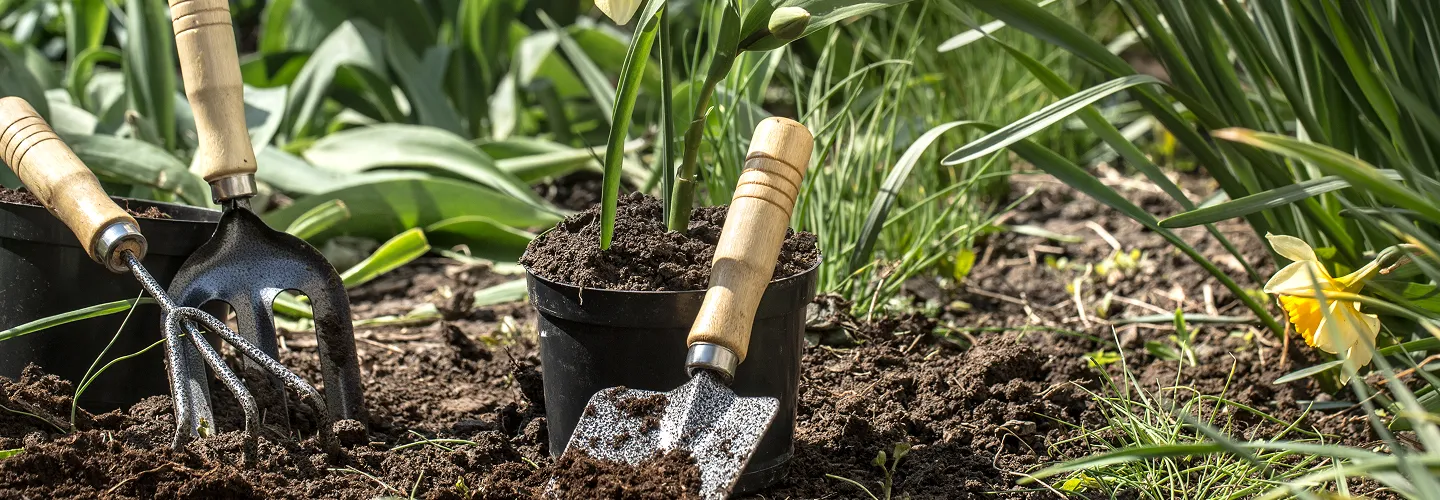
Richmond Fertilizing Lawn Services
Choose our fertilizing lawn services for a lush, healthy yard—our expert team uses premium products and proven techniques to ensure your grass thrives, giving you a vibrant, green lawn that stands out in your neighborhood.
Get a Free QuoteOur Richmond Landscaping & Yard Care Services
When to Schedule Fertilizing Lawn in Richmond, Rhode Island – Seasonal Guide
Fertilizing your lawn in Richmond, Rhode Island, requires careful timing to ensure lush, healthy grass throughout the year. The best periods for fertilization are typically early spring and early fall, when soil temperatures are optimal for nutrient uptake and grass growth. Richmond’s climate, with its cool winters and warm, humid summers, means that lawns in neighborhoods like Carolina and Alton benefit most from fertilizing just after the last spring frost and again as temperatures begin to cool in September.
Local factors such as the risk of late spring frosts, summer droughts, and the region’s mix of sandy and loamy soils all play a role in determining the right fertilization schedule. Properties near the Wood River or shaded by mature oaks and maples may require different approaches compared to open, sun-drenched lawns. For more information on local environmental guidelines, visit the Sudbury municipal site.
Local Factors to Consider for Fertilizing Lawn in Richmond
- Tree density and shade coverage
- Soil type (sandy, loamy, or clay)
- Proximity to water sources like the Wood River
- Average precipitation and drought risk
- Frost dates and seasonal temperature shifts
- Terrain and drainage patterns
- Municipal restrictions or environmental guidelines
Benefits of Fertilizing Lawn in Richmond

Enhanced Lawn Health
Improved Grass Color
Weed Reduction
Stronger Root Growth
Increased Disease Resistance
Thicker, Lusher Turf
Richmond Fertilizing Lawn Types

Cool-Season Grasses
-
Warm-Season Grasses
-
Shade-Tolerant Lawns
-
Drought-Resistant Lawns
-
High-Traffic Lawns
-
Ornamental Turf
-
Native Grass Lawns
Our Fertilizing Lawn Process
Soil Analysis
Fertilizer Selection
Application Scheduling
Even Fertilizer Distribution
Post-Application Inspection
Why Choose Richmond Landscape Services
-
Richmond Homeowners Trust Us
-
Expert Lawn Maintenance
-
Reliable Seasonal Care
-
Competitive Pricing
-
Professional Team
-
Satisfaction Guarantee
-
Personalized Service
Richmond’s Glacial Till Soils: Fertilizer Application and Soil Health Considerations
Richmond’s predominant soils, as identified by the USDA Web Soil Survey, are Inceptisols and Udults formed from glacial till, often characterized by moderate acidity (pH 5.5–6.5) and variable drainage. These soils can be stony and compacted, especially in developed areas, which impacts nutrient uptake and root development. For optimal lawn fertilization, soil testing is recommended every 2–3 years through the University of Rhode Island Cooperative Extension (typical cost: $15–25). Amendments such as lime may be necessary if pH falls below 6.0. Incorporate compost at 2–3 inches depth to improve organic matter and drainage. Avoid over-application of nitrogen, as runoff can impact local wetlands and streams.
Richmond RI Department of Public Works
5 Richmond Townhouse Road, Richmond, RI 02898
Phone: (401) 539-8474
Official Website: Richmond RI Department of Public Works
provides guidance on soil management and local disposal of yard waste.
Seasonal Fertilizer Timing for Richmond’s Cool-Season Lawns
Richmond is located in USDA Hardiness Zone 6b, with cool-season grasses such as Kentucky bluegrass (Poa pratensis) and perennial ryegrass (Lolium perenne) predominating. The optimal fertilization schedule is early May (when soil temperatures reach 55°F) and again in early September. Avoid fertilizing from June through August, as heat stress can damage turf and increase nutrient runoff. Recommended annual nitrogen rates are 2–3 lbs per 1,000 sq ft, split between spring and fall applications. Use slow-release formulations to minimize leaching. Monitor local weather through the National Weather Service - Boston/Norton Office for rainfall events, and avoid application before heavy rain to prevent runoff.
- Spring fertilization: May 1–15
- Fall fertilization: September 1–15
- Avoid: June–August (heat stress period)
- Soil temperature: 50–65°F for best uptake
Environmental Compliance: Buffer Zones and Stormwater Protection in Richmond
Fertilizer use in Richmond is regulated to protect local wetlands, streams, and groundwater. The Rhode Island Environmental Rights Act and the town’s MS4 stormwater permit prohibit fertilizer application within 25 feet of wetlands and 50 feet of open water bodies. Clippings and fertilizer must not enter storm drains, as required by the Clean Water Act. Buffer zones must be maintained, and only phosphorus-free fertilizers should be used unless a soil test indicates deficiency.
- 25-foot no-fertilizer buffer from wetlands
- 50-foot setback from lakes, streams, and ponds
- No fertilizer on impervious surfaces
- Sweep granules from driveways and sidewalks
Richmond RI Conservation Commission
5 Richmond Townhouse Road, Richmond, RI 02898
Phone: (401) 539-9000
Official Website: Richmond RI Conservation Commission
oversees local environmental compliance and wetland protection.
Municipal Coordination: Fertilizer Storage, Application, and Waste Management
Proper storage and handling of fertilizers in Richmond are subject to local ordinances. Fertilizer and chemical storage must be in sealed, labeled containers and kept at least 50 feet from wells and storm drains. The Richmond Department of Public Works operates the town’s transfer station for safe disposal of empty fertilizer bags and yard waste. Residents must use biodegradable bags or 32-gallon containers for grass clippings and leaves, with weekly collection April–November.
- Collection day: Thursday (April–November)
- Accepted: Leaves, grass, brush under 4 feet
- Prohibited: Plastic bags, branches over 4 inches diameter
- Storage: 50-foot minimum from wells/storm drains
Richmond RI Department of Public Works
5 Richmond Townhouse Road, Richmond, RI 02898
Phone: (401) 539-8474
Official Website: Richmond RI Department of Public Works
provides collection schedules and disposal guidelines.
Professional Standards and Safety Protocols for Lawn Fertilization in Richmond
All fertilizer applications in Richmond must comply with municipal noise ordinances and equipment standards. Permitted hours for powered equipment are:
- Monday–Friday: 7:00 AM – 7:00 PM
- Saturday: 8:00 AM – 6:00 PM
- Sunday and holidays: Prohibited Operators must use calibrated spreaders to ensure accurate application rates and prevent overuse. Personal protective equipment (PPE) is required, including ANSI Z87.1 safety glasses, chemical-resistant gloves, and steel-toed boots. Maintain a 15-foot clearance from property lines and public sidewalks during application. For complex sites or large properties, consult the University of Rhode Island Cooperative Extension for best practices and certification programs.
What Neighborhoods Do We Serve Throughout Richmond, RI?
- Carolina: Features a mix of historic homes and newer developments, with stony glacial soils and moderate drainage; properties often require soil amendment for optimal turf health.
- Wyoming: Characterized by proximity to the Wood River and wetlands, necessitating strict buffer compliance and careful fertilizer management to protect sensitive water resources.
- Kenyon: Includes larger lots and semi-rural landscapes, where compacted soils and tree cover can impact fertilizer effectiveness and require tailored application strategies.
- Shannock: Noted for its historic mill village layout and smaller lots, with variable soil quality and increased risk of runoff into the Pawcatuck River.
- Alton: Located near conservation areas, with sandy soils and higher infiltration rates, requiring careful timing and slow-release fertilizers to prevent leaching.
- Usquepaug: Rural area with a mix of open fields and forested lots, where soil testing is essential due to variable pH and organic matter content.
- Richmond Village: Central area with denser development, compacted soils, and increased need for municipal coordination on waste collection and ordinance compliance.